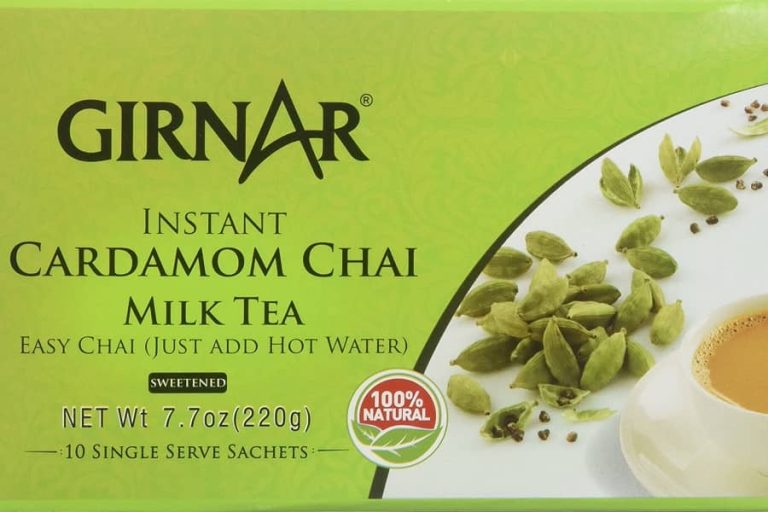
Topic of Tea Brand – Chaitime
Chatime was founded in 1897. With a dedication to tea, the first generation of Chatime opened a small tea shop in Nashko. In more than a century, the enterprise has gone through three generations of careful management. They have devoted themselves to the broad and rich drinking tradition of Indian tea, integrating different varieties of tea and different cultural connotations in the Indian subcontinent, forming the current Chatime. Chaitime has spread all over India, selling nearly 250 million cups of tea every month. In India, a traditional tea consumption country with a long tea culture, it can be regarded as a household name.
1. What is Chai?
“Chai” is “tea” in Hindi, but its connotation and extension are significantly different from Chinese tea. According to the classification of tea in China, Chai belongs to fermented black tea. It is a kind of tea based beverage that the tea is cut up during processing and added with milk and sugar when drinking.
At the end of the 19th century, most of the tea grown in India was exported to Britain. Drinking tea was an activity that the upper elite had the capital to carry out. The general public can only use the remaining tea crumbs to make their own tea drinks. Because the tea produced by this method is usually accompanied by strong taste, they can only add milk, sugar and spices into it to make a drink suitable for drinking. At this point, Chai was born. It soon spread across the Indian subcontinent, and even the people of the upper class fell in love with its taste.
Chai is an indispensable part of the Indian subcontinent. Its body reflects India’s culture and values. India is a combination of various religions, languages and customs, and continues to deepen integration and evolution over time. Chaitime, born in this land, also has similar qualities.
2. Interesting, leisurely and warm product concept
The founder believes that drinking Chai does not need rules, is not bound by customs, and has no fixed brewing procedure. Consumers can make it in their own way and drink it anytime and anywhere. Chai in different regions has different flavors, but its sense of stability will never change. Chaitime’s tea symbolizes a kind of comfort without rules, and consumers constantly enrich their lives in the process of drinking tea day after day.
Chatime’s logo is as plain and concise as its concept. The brand name chaitime, followed by the words “origin 1897”, highlights the brand’s sense of history and increases its authority in tea making. The dot of the letter i in “chai” and “time” has been removed, and there are some changes in the simple arrangement of letters. Chai and time in “chaitime” are red and green respectively, because the tea base of chaitime products is black tea or green tea. Although it is a contrast color, it does not appear obtrusive because of its low saturation. It brings a sense of maturity and steadiness while eye-catching, which conforms to the brand tone.
3. Small and refined product series
Many luxury tea brands follow a large and comprehensive route, collect hundreds of tea products from all over the world, carry out creative matching, and launch limited quantity tea products and seasonal limited tea drinks from time to time. Chaitime is different from them in several ways. First, Chaitime only chooses local tea in India. Chaitime’s blending masters are scattered in various Indian states, tasting tea at tea stands on the streets and looking for inspiration for Chai’s new formula. Second, Chaitime must understand the customs behind each tea as the background knowledge of blending. Third, Chaitime has a small number of product lines and products. There are only 4 product lines, and 15 unique Chai are selected.
Chaitime only makes Indian tea and implements a small and refined product line. It does not catch up with the trend, does not pursue the quantity, takes root in the local area, and makes the skit products more refined and deeper at a professional level.
(1) Experience Chai Series
There are three products under this series – Mumbai Tapiri Chai, Daba Chai and Railway Station Chai.
Mumbai Tapuli Chai comes from the street tea stall in Mumbai. It is rich and fresh, and has the flavor of lemongrass and ginger. It is a daily necessity for office workers. Daba Chai is a mixture of tea, fennel, ginger and cardamom. Its warm and rich flavor is deeply loved by truck drivers who travel on the night road. A cup of tea makes you feel energetic immediately. The flavor of Chai in the railway station is derived from the traditional Indian railway station tea, which is a mixture of Assam black tea and a variety of spices.
(2) Single origin tea series
The Himalayan Sikkim tea is a kind of tea with rich flower fragrance and light musk flavor, and smooth taste. It tastes light and is suitable for drinking in the morning. The small principality of Sikkim is located in the remote eastern Himalayas. It is surrounded by clouds all year round. The tea produced has a unique aroma.
Superior Assam tea has an exciting aroma and gives people a fresh and light feeling. It is an ideal choice for breakfast tea. This rich tea comes from Assam Valley in northeast India.
The high altitude Darjeeling tea has a light body, fresh and refreshing taste, and a cup in the afternoon can refresh the mind. The cool climate, fertile soil, abundant rainfall and the steep terrain of Darjeeling endow this tea with a unique quality – musk grape aroma. No other place in the world can replicate such a combination of natural factors, so Darjeeling tea is famous as “champagne in tea”.
Highland Nigeri tea is moderately rich and slightly sweet, suitable for matching with milk. The tea comes from the high altitude area around the Blue Mountains in southern India. The high altitude and abundant rainfall in the region make this highland tea have a faint fragrance of flowers.
(3) Masala Chai Series
There are four products under this series – Fresh Lemongrass Chai, Exciting Ginger Chai, Relaxing Nutmeg Chai and Spicy Massara Chai.
Fresh lemon grass Chai, originated from Maharashtra, is a tea made from Assam black tea, seasonal lemon grass and fresh ginger, with a strong sweet taste. Exciting ginger Chai is produced in Madhya Pradesh, India. Assam black tea and fresh Indian ginger are mixed together to give it a spicy taste and warm aftertaste. It tastes fresh and is an ideal drink in the afternoon and evening. Relaxed nutmeg Chai is very popular in northern India. This tea is mixed with Assam black tea and Malabar cardamom. It is suitable for cold drinks and moisturizing properties, and is suitable for drinking in the sultry summer in northern India. Cinnamara Chai is from Gujarat, northwest India. It is the product of Assam black tea, cardamom, ginger, black pepper and cinnamon.
It is worth mentioning that the product names of this series are very neat, adopting the naming method of “adjective+seasoning ingredients”: Refreshing lemongrass Chai, Revitalizing ginger Chai, Relaxing cardamom Chai, Spicy masala Chai. Functions and ingredients are directly marked in the product name, which facilitates consumers to make shopping decisions, shortens the decision-making time, and is more likely to produce purchasing behavior.
(4) Organic tea series
The organic tea series includes organic Assam green tea, organic Nigel tea, organic Darjeeling green tea, and organic Darjeeling black tea. These tea products come from the same production area as the tea produced in a single place, but the difference is that organic tea is produced and processed according to the method of organic agriculture. In its production process, it does not use any synthetic chemical fertilizers, pesticides, plant growth regulators, chemical food additives and other substances.
Comparing the packaging of the four series, we can find that they have some changes while maintaining consistency, and there are obvious differences between different series. The size and layout of different series of tea cans are consistent, from top to bottom, they are illustrations, brand name, product name, brand Slogan “Authentic India” and “Since 1897”.
The parts that produce changes are illustrations, brand names and overall colors. Experience Chai series is the most classic, and is the entry model of Chaitime products. Therefore, in order to attract consumers’ attention, we use a bright and impact red background color; The illustrations of the tea series from a single origin are the landscapes of the origin in the form of prints, reflecting the characteristics of the products; Masala Chai series is the most innovative blended tea. Its unique ingredients are highlighted by striking radiation patterns on the matching picture. The color matching is high in saturation, eye-catching, and full of vitality; The organic tea series is the most high-end of the four series. The background color is Morandi color, and the color with gray tone has a high-level sense. The picture shows the map of different production areas, which is processed into black and white mode. At the same time, tea plants appear in the lower right corner, showing the product properties.
In a word, Chaitime series products are concise and crisp in packaging, consistent with the brand tone, but are also likely to face the disadvantage of not attracting consumers’ attention. After all, this is an era of active “eyeball economy”. If we can’t catch the eye of consumers at the first time and make them have the first try, we may not be able to harvest a broader consumer group. Chaitime’s tin cans are relatively popular in size and shape, which are similar to many brands, and have the risk of disappearing among many products on the shelf.
4. International Indian tea brands
India is one of the important tea exporters in the world, and many famous tea brands have been born in this land. In order to embark on the road of internationalization more quickly, Indian enterprises have been acquiring international brands. In 1972, Unilever India (Unilever India Branch) acquired all the brands of Lipton, and in 2000, Tata Beverage Company of India acquired the famous British brand Tetley.
Tata Global Beverage Company (formerly Tata Tea Group) is the second largest tea brand supplier in the world, with sales markets all over the world and business contacts with more than 60 countries. At present, the company has five main tea brands: TATA Tea, Tetley, Kanan Devan, Chakra Gold and Gemini. Different brands have different positioning and focus, and the main purpose is to meet the needs of different markets and groups around the world. TATA Tea is the largest tea bag brand in India, and one in every three Indian families drinks it. As a local tea brand in India, what are the similarities and differences between TATA Tea and Chatime?
TATA Tea provides tea bags. The outer packaging uses paper boxes or polyethylene bags to save production costs. It is a cost-effective product for consumers. It is commonly used in chain supermarkets and designed for consumers who seek economic benefits and save time; Chaitime provides high-quality loose tea with a high unit price. The recommended drinking method is to cook it with milk, and finally filter the tea residue with a filter screen. The process is more complicated than tea bag. Relatively speaking, TATA Tea is suitable for consumers with low requirements on tea quality, and Chaitime can meet the needs of consumers who are picky about taste. In terms of market strategy, TATA Tea has an international vision of going out of the country and distributing the world. It realizes its international strategy step by step. Chaitime is rooted in the local and surrounding markets and wins the favor of consumers by virtue of its quality.
However, globalization strategy and cross-border e-commerce have become the development trend of tea brands, and vertical e-commerce has gradually penetrated into this field. Teabox, a vertical e-commerce tea brand in India, was established in 2012 to provide door-to-door delivery services for tea lovers. It has obtained a total financing amount of US $14 million within three years of its establishment.
Teabox cooperates directly with more than 200 local plantations in India and Nepal, and builds its own warehouses around it. After the tea was first purchased from the owner, Teabox first vacuum-packed and processed it, and then directly transported it from the warehouse to 75 countries around the world. The whole shopping process is about one week, which is quite advantageous compared with the traditional mode of one month. Teabox uses a patent – nitrogen flushing storage technology. This technology can pack individual tea bags, so that they are not affected by oxygen, light, heat and moisture. But Teabox’s competitive advantage as a vertical e-commerce company goes beyond that. It provides services for consumers to match tea independently, such as choosing plantations, germination period, characteristics (exotic or traditional flavor), and the matching tea base range includes black tea, green tea, Indian tea and oolong tea.
Therefore, on the basis of ensuring the quality of tea brands, if they can spare no effort, they should take a positive attitude to face international competition, face the changing needs of consumers, and adjust their business strategies.
In addition to packaging and international strategy, Chaitime also faces the problem of lack of online advertising platform. It has no official YouTube or Instagram account; The Twitter account was created in July 2012, but only 8 tweets were released, and the update was stopped in October 2012; The official website information is old and has not been improved for many years. It gave up a good publicity window, so it could not effectively promote and interact with consumers in other parts of the world, and the expansion of its popularity was hindered. In the era of the Internet, giving up the online propaganda platform is tantamount to breaking the lifeblood. Tea is also afraid of deep alleys. Therefore, tea brands must attach importance to the online public opinion platform, grasp the initiative, and actively deliver brand information to consumers, so as to be in an advantageous position in brand competition.